Short haired Cat Care
The most common shorthaired housecat is of mixed breed heritage and called a Domestic Shorthair (DSH).
There are also many pure breed cats such as Exotics, British Shorthairs, Asian breeds, Russian Blue, Bombay… and the list goes on. They come in every shape, size, colour and pattern.
A Certified Feline Master Groomer can help identify cat colours and patterns and may even be able to isolate certain breed traits and tendencies of your cat. This may help prevent health conditions that are common in some breeds.
Weight Issues
Many indoor housecats have trouble keeping their weight down. With all their needs met, they are able to relax all day and are fed all the food and treats they desire. While it may seem that the cat is living in the lap of luxury, obesity in cats can lead to severe health problems including arthritis, diabetes, and heart failure.
Free-feeding (where food is available at all times)
Is often a contributing factor in overweight cats. When given the opportunity to eat as much as they want, many pets eat too much, leading to obesity. Instead, feed 2 to 4 small portions of high quality food daily to provide the cat the nutrients in correct proportions it needs to keep it healthy and balanced. Also, increase the amount of time spent playing with the cat to keep it at a healthy weight. Interactive toys that encourage a cat to jump, pounce, and chase keeps its activity level high and burns calories. Before changing a cat’s diet or feeding habits, discuss with a trusted veterinarian what will be the best plan for your cat’s lifestyle.
Shedding
A common issue among owners of short haired cats is the incredible amount of hair they find around the house! Shorthaired kitties shed a lot, mainly due to their thick, plush coat and the shorter growth cycle of each hair. Since the hair doesn’t grown any longer than 1-2 inches, each time a hair reaches the end of its short life cycle, it falls out – a process known as shedding. The most effective way to combat shedding is regular professional grooming. A bath and blow dry removes dead hair before it has a chance to fall out onto your carpet, furniture and clothing.
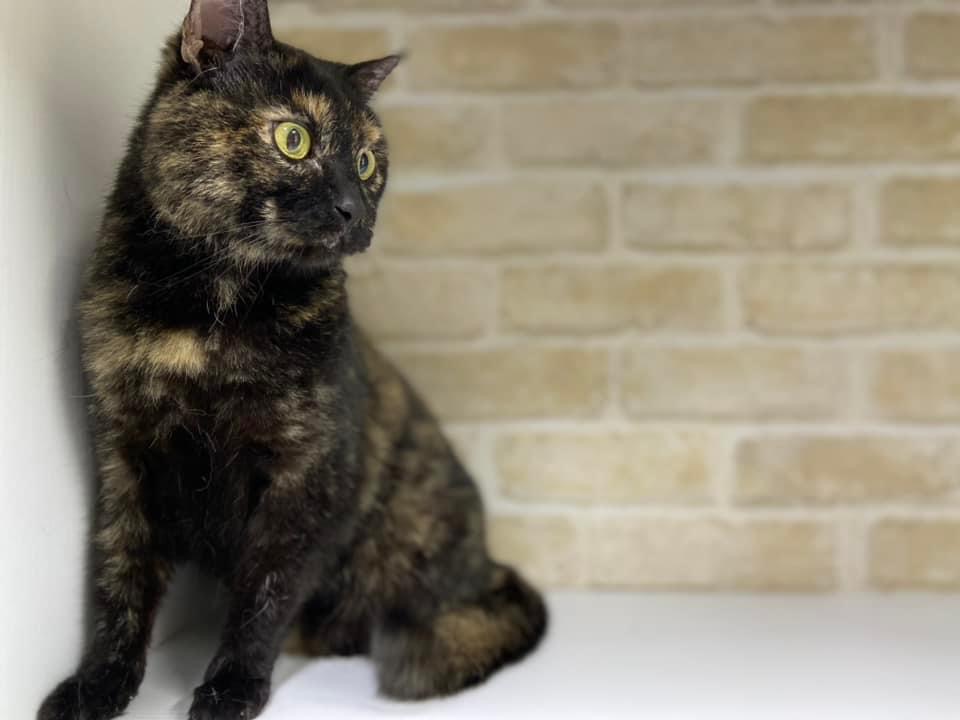
A professional groom is much more than a bath or haircut!
Grooming is essential to your cat’s health and quality of life.
A professional groomer can assist your cat with:
Claws
Nails should be trimmed monthly. In addition to reducing how much your cat’s nails scratch you, your family, and your furniture, nail trimming is imperative for a cat’s health. If left to grow, nails can curl around and grow back into the paw pad which is not only very painful for the cat, but can easily result in infection.
Ears
Routine cleaning of ears helps ward off bacteria, yeast and fungal infections. Ear infections are painful, cause disorientation, and can lead to permanent problems such as deafness and facial paralysis. Professional cat groomers can help prevent painful ear infections by routinely checking and cleaning cat ears.
De-Shedding
Frequent bathing and brushing helps to improve the skin and coat condition of the pet. It stimulates circulation and removes dead skin and hair, undercoat, dirt, and excess oil.
It also prevents mats and tangles from forming, which can be very painful and cause skin irritations.
Coat
Frequent bathing can dramatically cut down on how much hair you find around your house! A regular bathing schedule encourages most shedding hair to come out during the bath rather than on your furniture.
Health
Groomers play a valuable role in alerting you of any health concerns: skin conditions, growths, fleas, hot spots, etc. can be caught early on. A groomer closely examines your cat during the groom, allowing for early detection of problems.
Wellness
Regular visits to the groomer can encourage a positive relationship between the cat and groomer, so grooming appointments are much less stressful. This is especially important as your pet gets older.
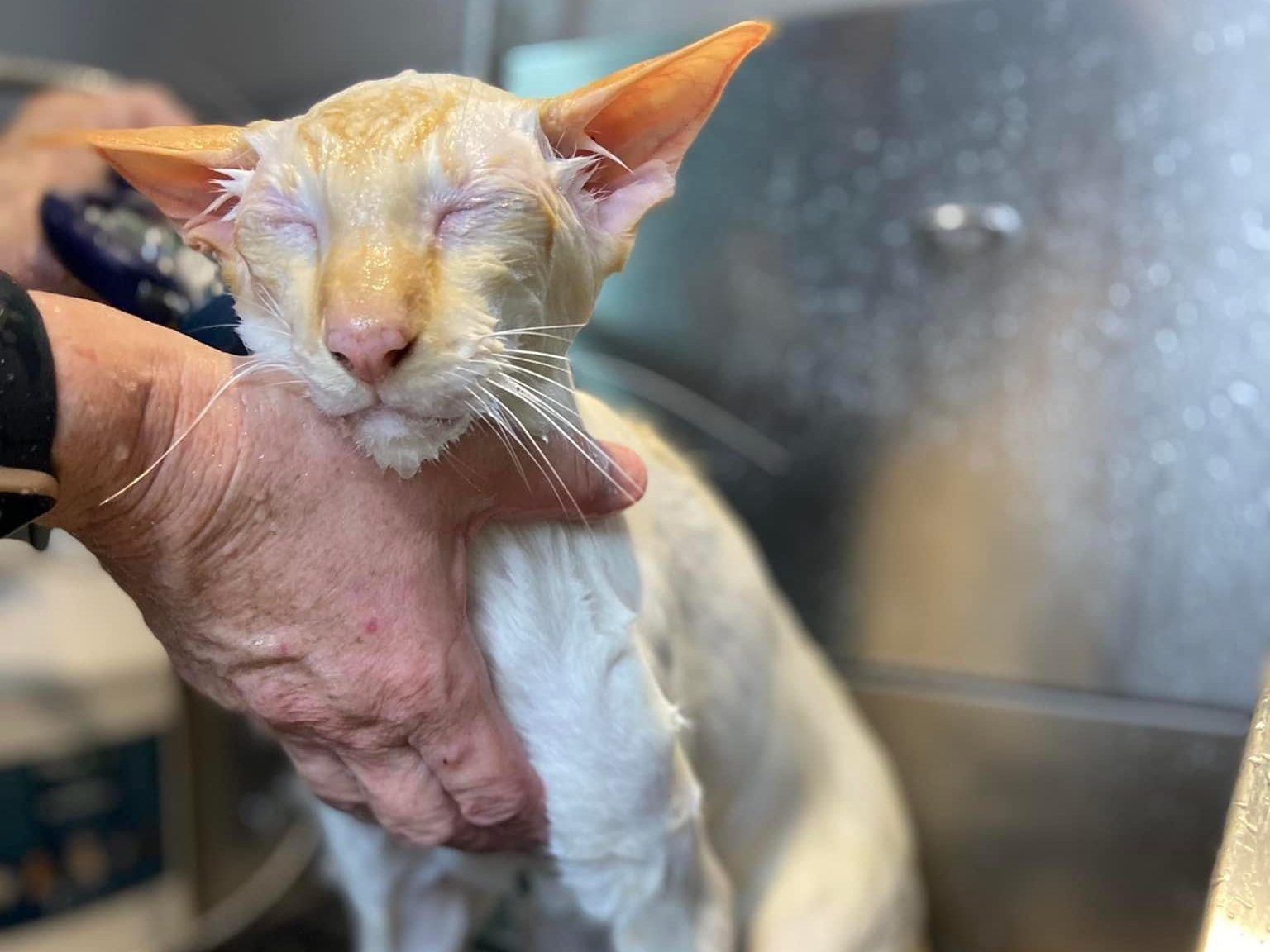
Regular grooming will maintain skin health, control shedding & reduce hairballs
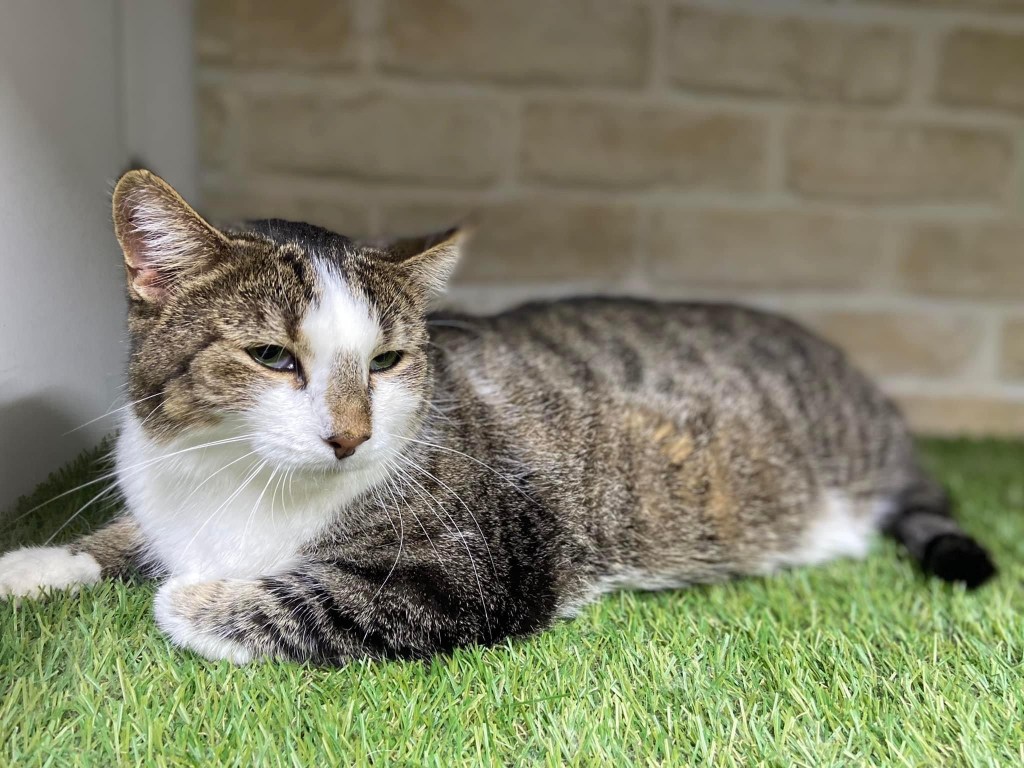
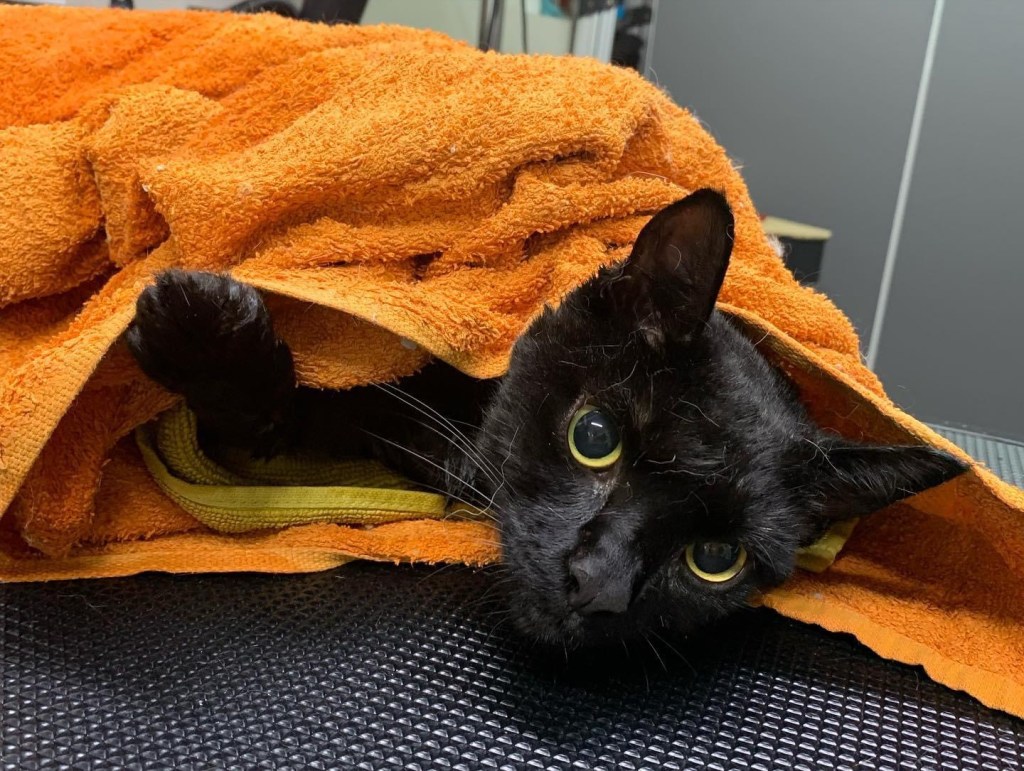
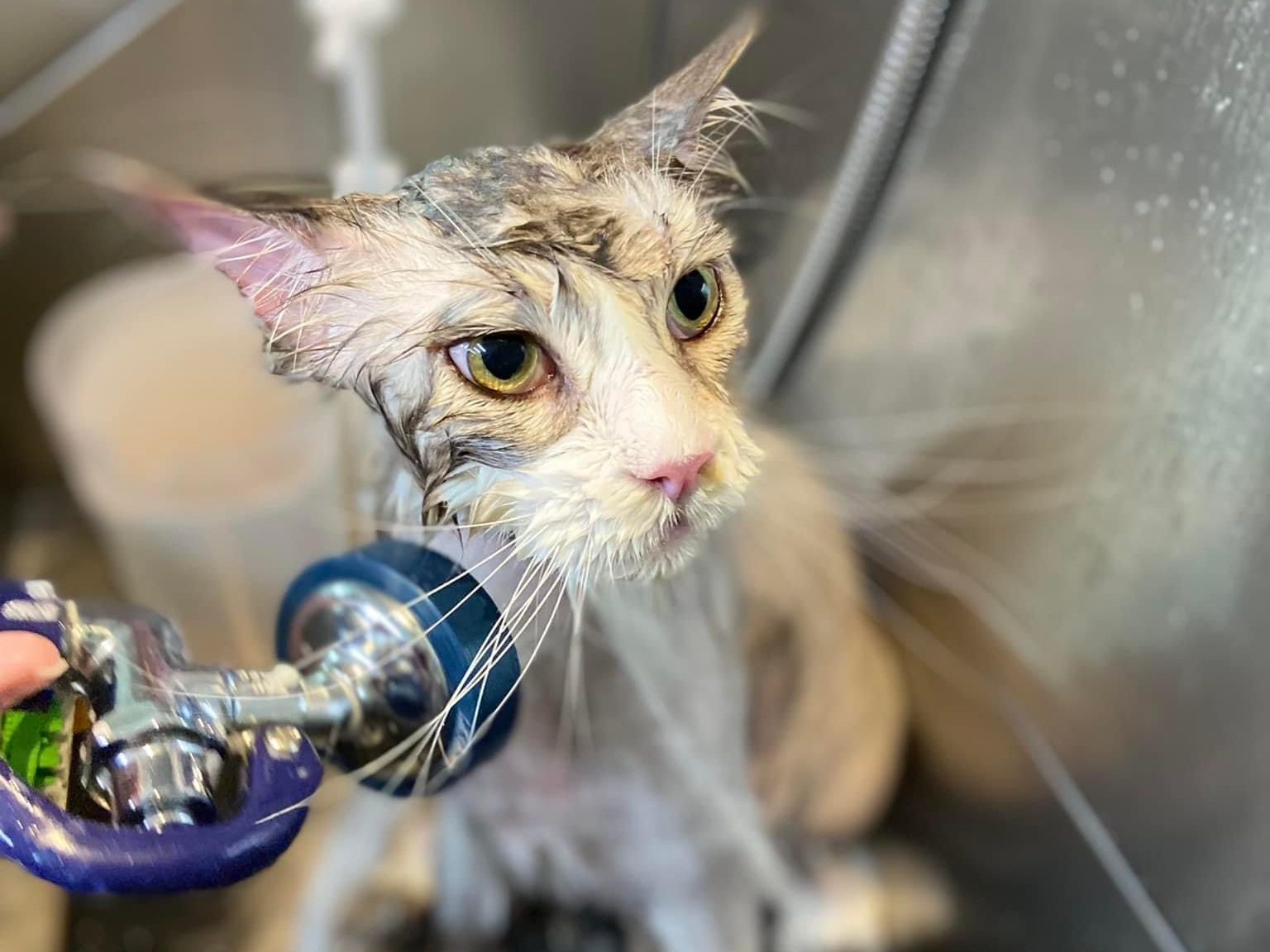
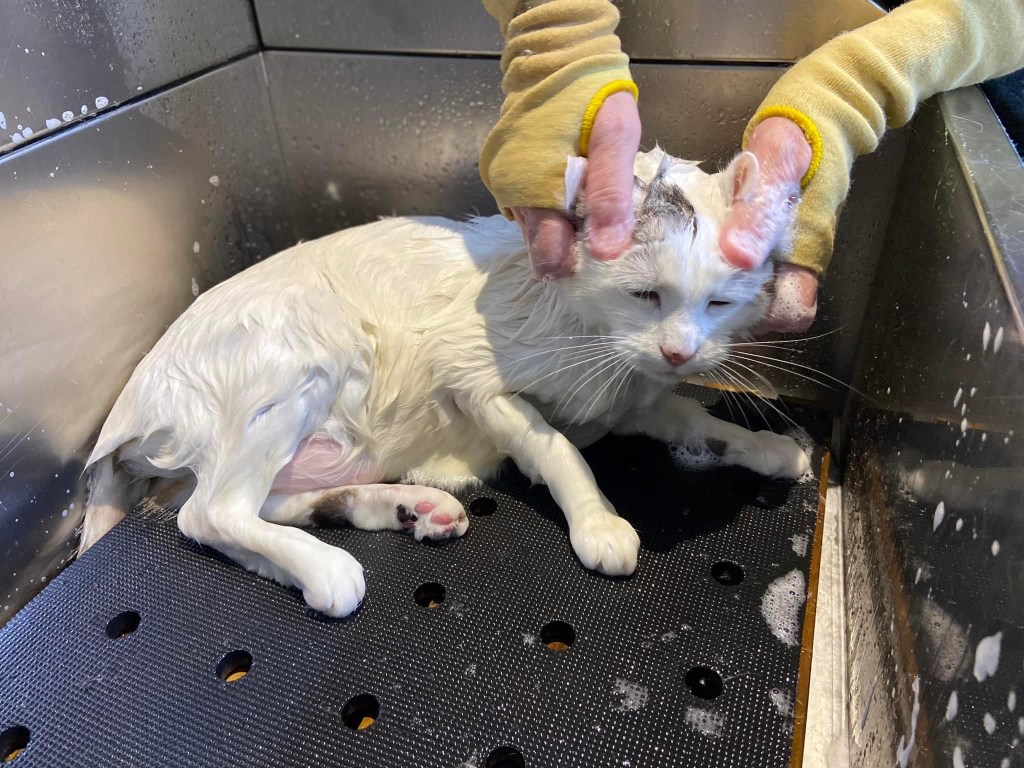
 Cat Grooming